
Although debt collectors have the ability to do their job, their activities are also subject to sharp constraints under federal and state laws. They simply cannot do anything that they want when they are attempting to collect money from you. If a debt collector has violated your rights, you may be eligible for financial compensation in a lawsuit. First, it is imperative that you know what a debt collector can and cannot do when they are dealing with you. Never hesitate to discuss your debt or debt collection action against you with a collection defense attorney.
Debt Collectors Are Limited in What They Can Do
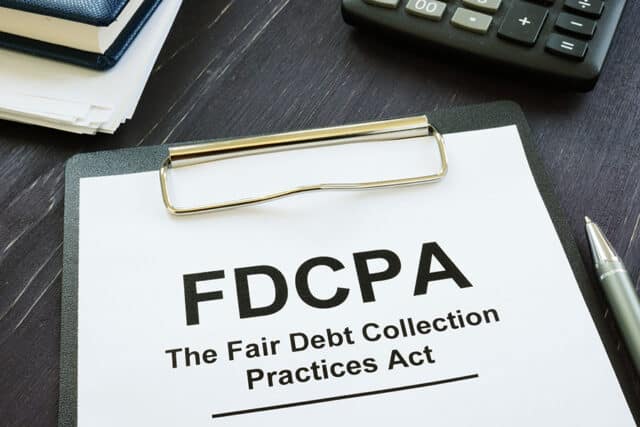
There is a federal law that controls how a debt collector may do their job when they are dealing with the public. The Fair Debt Collection Practices Act (FDCPA) attempts to balance the ability of a debt collector to obtain repayment on valid debts with the consumer, from whom they are attempting to collect. While debt collectors are allowed to contact you and make efforts to collect, the law also gives you rights as a consumer that prohibit debt collector harassment.
Debt collectors have every incentive to use aggressive measures, since it is how they make money. They have likely purchased your debt for pennies on the dollar, and they stand to make a lot of money if you repay even part of what you originally owed. Some debt collectors may take things too far in using extreme actions to pressure you to pay.
Debt Collectors Are Prohibited from Harassing You
Simply stated, debt collectors are not allowed to harass you when trying to collect. These rules govern both the number of times that the debt collector is allowed to try to call you and what they are allowed to say when speaking with you. The debt collector is not allowed to call you repeatedly in an attempt to harass and annoy you. They are also not allowed to use foul language when they are talking to you.
Debt collectors cannot threaten you personally in any way, nor can they engage in extreme conduct when speaking with you. For example, they cannot threaten that they will tell third parties about your debt, or that you will lose your job if you do not pay.
Debt collectors must also be truthful when they are trying to collect money. They must tell you their true identity when they call and that they are a debt collector. They cannot attempt to pass themselves off as something they are not, such as telling you that they are an attorney (although some debt collectors really are lawyers).

You Can Control Interactions with the Debt Collector
You have the ability to place limits on how and when the debt collector can try to contact you. When a debt collector tries to call, you have the right to tell them not to call you anymore. The debt collector must honor your wishes. Similarly, you can also inform the debt collector of the hours in which they are allowed to try to contact you. For example, if the debt collector is trying to call you during work hours, you can tell them not to do it again in the future.
If you have told the debt collector not to contact you, it is advisable that you follow this direction with a letter, so that you have evidence of it in case you need it. In addition, you should maintain your phone logs and records of other communications for proof in a possible court case. However, you must be careful about recording phone calls from debt collectors without their consent because it can be illegal wiretapping under the laws of some states.
You Can Seek Compensation from the Debt Collector for Breaking the Law
The same law that restricts what debt collectors are allowed to do also gives you a valuable means to enforce your own rights. The FDCPA and state law contain a private right of action that allows you to file a lawsuit directly against the debt collector. You do not need to prove that they had the intent to break the law. All you need to do is show that they engaged in some conduct that violated the law, whether it was intentional or unintentional. Then, they will be held strictly liable for what they have done.

When the debt collector has broken the law, you can file either an individual or a class action lawsuit. You may opt for the latter if there are numerous others who are similarly situated and have endured the same misconduct. If your lawsuit is successful, you may receive the following damages:
- Actual economic damages that you have suffered, including lost income and medical costs if you suffered any condition as a result of the debt collector’s illegal conduct
- Non-economic damages, such as emotional distress from debt collector harassment
- Statutory damages of up to $1,000 per lawsuit (not on a per violation basis)
- Attorney’s fees
Although you are not entitled to punitive damages under the FDCPA, you may qualify for them under state law, depending on the jurisdiction in which you file your lawsuit. This consideration can determine the venue that your consumer debt collection attorney chooses to file your case. If you do not win your case, you do not have to pay your attorney anything for their time and services, since they work for you on a contingency basis.
Contact a Florida Consumer Debt Collection Lawyer
At Consumer Law Attorneys, we care deeply about your legal rights, and we will fight to vindicate them if they have been violated by debt collectors who are breaking the law. We can help you take strong legal action to both get justice and punish a debt collector who has acted wrongfully. You can schedule a free initial consultation to discuss your case with a consumer debt collection lawyer by sending us a message online or by calling us today at (877) 241-2200. Debt collectors do not have to get away with breaking the law.