Homeowners’ associations have a significant amount of power under Florida law, but they do not have unlimited authority. They cannot simply do whatever they want. They are limited by both the internal governing documents of the HOA and by Florida law. You can fight back legally when your HOA is overstepping its authority. An experienced HOA attorney can help you deal with your board and potentially take them on in court if that is necessary.
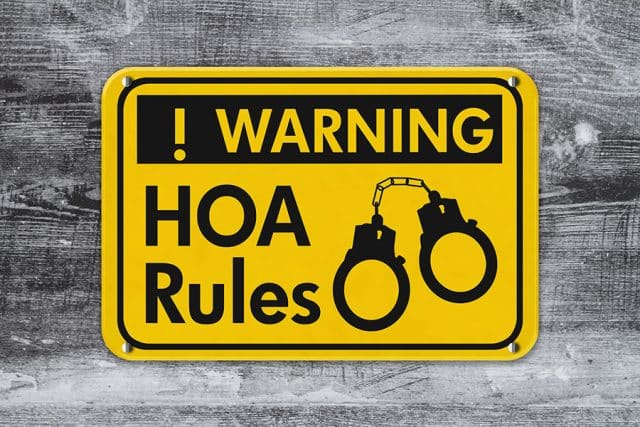
The HOA performs a valuable role. Not only do they manage the finances of the association, but they also enforce standards in an effort to achieve uniformity and maintain property values. The HOA is sometimes required to take action against individual homeowners who do not follow the rules. In some cases, they are forced to raise the HOA fees or impose special assessments on homeowners. There are numerous ways that the HOA may come into conflict with individual homeowners, and they are not always right.
Common Ways That HOAs May Overstep Their Authority
Your HOA can act outside its authority when it does the following:
- Attempting to enforce rules that never existed in the first place
- Imposing improper or excessive fines
- Making illegal assessments that were not approved properly
- Unreasonably denying your request to make improvements to your home
Whether it is enforcing existing rules or imposing new rules, the HOA must act within the bounds of its authority. Unfortunately, homeowners are often subjected to overzealous HOAs that exceed their authority.
The HOA is required to closely follow the governing documents in its administration of the property. Further, it is not allowed to go beyond what is in the four corners of the governing documents. They cannot invent rules that are not written down on paper and do not apply equally to everyone. If the HOA is seeking to enforce a rule, it must be universal, and it cannot selectively apply rules to some homeowners and not to others.
You Are Entitled to Due Process Protections When Dealing with an HOA
If the HOA is seeking to enforce its rules, you are entitled to due process before any decision is made or any action can be taken against you. The HOA must provide you with clear notice of which rule it says that you have violated. The HOA must either allow you time to correct the violation or give you the ability to respond to the allegations.
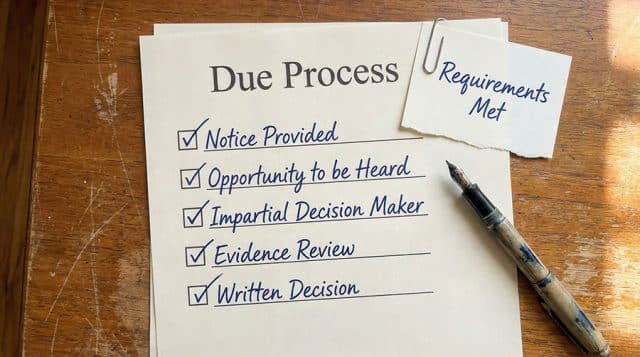
Under Florida law, HOA homeowners have the right to a hearing before an independent fining committee of the HOA. This committee must be truly independent in that it cannot include board members or their spouses. You have the right to present your own position to that committee for its consideration. It will be the committee that reaches the final decision about whether you will be fined. Their decision must be consistent with both the rules and past practice, showing that there is no selective enforcement of the rules.
What to Do When There Is HOA Overreach
The first thing that you must do when you believe that the HOA is going too far is to familiarize yourself with the rules. Since the HOA must follow its governing documents, you need to review these closely to understand exactly what the rules are. You can request records and a further explanation from the HOA.
You have the right and ability to take legal action when the HOA is exceeding its authority. Before you take your case to court, you may want to try to resolve the issue informally. You can approach the HOA to negotiate about your issue. If you are having difficulty, you may even seek to have a third party mediate the dispute. The governing documents may provide for a dispute resolution mechanism before you can take your case to court.
If you cannot reach a resolution, you can file a lawsuit against your HOA. You may be forced to defend against a lawsuit that they have filed against you. In the end, a court will decide whether the HOA is following the governing documents and Florida law. It is still possible to negotiate a settlement with the HOA at any point before the judge decides the case.
In addition to the legal process, you can also file a complaint against your HOA with the Florida Department of Business and Professional Regulation (if you are the owner of the condo). The DBPR has enforcement authority to take action against entities that violate certain laws, and that includes HOAs. The HOA may even be fined by the government.
How an HOA Lawyer Can Help You
Issues regarding your rights as a homeowner are understandably emotional. Nobody likes being told what they can and cannot do with their own home, and they certainly do not want to pay fines and high assessments. HOA issues can become heated. Not only are you dealing with your neighbors, but you are also up against a board that may have a considerable amount of power.

At a certain point, you may be better off having an experienced HOA lawyer deal with the board on your behalf. They can present a compelling argument that the HOA’s actions are contrary to the governing documents or Florida law. They can also provide you with objective legal advice about your situation and firm advocacy when necessary.
Contact a Florida HOA Lawyer
Are you facing unfair rules, fines, or actions from your HOA? At Consumer Law Attorneys, our Florida HOA lawyers help homeowners protect their rights and fight back against overreaching associations. Whether it’s challenging improper fees, enforcing community rules, or stopping harassment, we provide aggressive, knowledgeable representation. Do not HOA abuse of power control your life if they are breaking the law.
Schedule a free consultation today by calling us at (877) 241-2200 or contact us online, and take the first step toward holding your association accountable and safeguarding your property rights. Your home, your rights, your defense.